Paint peeling or flaking
Coating failure from heat, UV, and moisture; stripped and recoated on prepared surfaces.
Gate painting and refinishing in Concord, CA protects the repair as much as it improves the look: coatings are what keep steel and iron from rusting and wood from rotting, and Concord's heat, UV, and wet winters age them fast. The work covers surface preparation, rust and rot treatment first, then priming, painting, staining, or powder-coat touch-up — never coating over failed metal or rotted wood.
Tell us what the gate is doing and where in Concord you are. We serve Concord, CA — ZIP codes 94518, 94519, 94520, and 94521.
Call Now 925-265-8944 → Monday–Sunday, 8:00 AM–8:00 PM. Quote on inspection.On this page
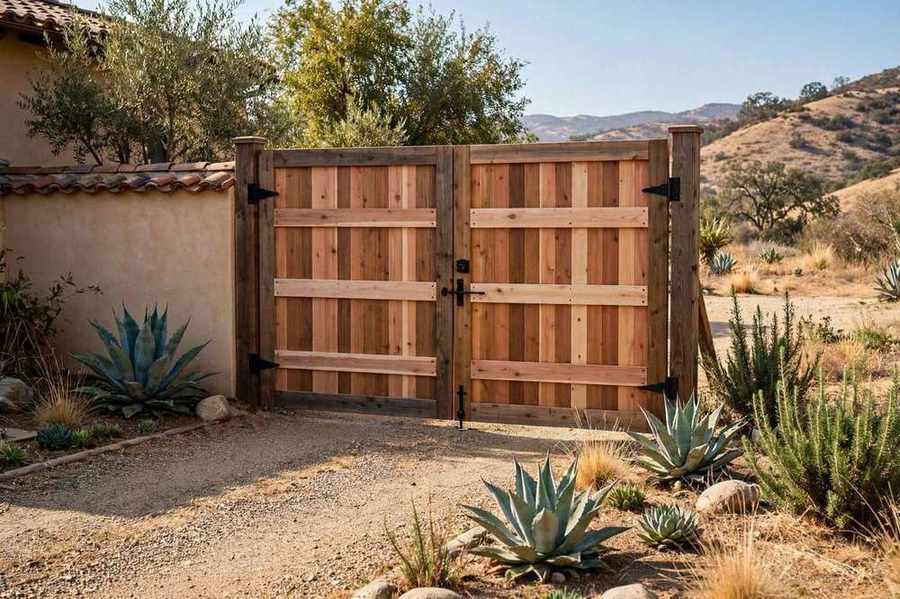
Concord conditions shape these faults. In Concord, gate trouble often starts underground. Local contractors report expansive clay that swells when winter rain soaks it and shrinks as it dries in summer, so posts lean, gates drop out of square, and latches stop lining up. Mature tree roots can heave a post the same way, and on hillside lots near the Diablo foothills a gate that swings uphill drags, binds, and strains its operator. Summer heat warps wood, ages coatings, and stresses opener electronics and batteries, while winter wetness and soil contact drive rust at grade level. Summer heat and UV fade and crack coatings, winter wetness attacks bare metal and unsealed wood at grade level, and a coating applied over rust or rot only hides the fault for a season.
Painting and refinishing protects the repair as much as it improves the look: coatings are what keep steel and iron from rusting and wood from rotting, and Concord's heat, sun, and wet winters age them fast. The work therefore runs in a fixed order — surface preparation, rust and rot treatment first, then priming, painting, staining, or powder-coat touch-up — and never coating over failed metal or rotted wood, because a new coat over a failed substrate fails with it. Sun-facing and grade-contact areas age fastest, and they are inspected first.
Most painting and refinishing jobs include a coating diagnosis and the work itself: old coating, rust, and failed finish removed so the new coat bonds to sound material, rust treated and rotted members replaced before coating, metal primed and painted after structural repair, and wood stained and sealed.
Old coating, rust, and failed finish removed so the new coat bonds to sound material.
Rust treated and rotted members replaced before any coating goes on.
Metal gates primed and painted after structural repair, including weld and hinge-plate areas.
Wood gates stained and sealed so new panels and pickets are protected from wet winters.
Recoating intervals explained in terms of exposure — sun-facing and grade-contact areas age fastest.
Call 925-265-8944 during business hours, Monday through Sunday, 8:00 AM to 8:00 PM, and describe what the coating shows: peeling or flaking, rust bleeding through, faded or greyed wood, a previous coat failing at grade level, or a repair that was never coated. Whether the substrate underneath is sound or failed shapes the job before anyone travels, since coating is not a structural repair.
Coating adhesion is checked first, then rust depth in metal and rot in wood, then previous-coating condition, then exposure — sun-facing sides, grade-contact areas, and joints — and finally the gate's squareness and hardware, since a sagging gate should be repaired before it is recoated, not after.
Once the fault is found, you get a quote on inspection before work starts. No figures are quoted sight-unseen, because the fix depends on how much preparation, rust or rot treatment, and structural repair the substrate needs before any coating goes on.
The work is completed and inspected in daylight, edges and grade-contact areas checked, moving parts confirmed free — coating must not bridge hinges, latches, or sensors — and the gate is swung or rolled and latched to confirm the new coat has not changed how it moves.
You are shown what was done and what to watch for — sun-facing and grade-contact areas, which age fastest, coating chips that expose bare metal or wood, and any new rust or rot underneath — so recoating happens while it is still a coating job, not a section replacement.
Coating diagnostic equipment, used so a coating fault, a substrate fault, and a structural fault are told apart before a new coat is recommended.
Used on an automated gate to confirm the operator and safety sensors still function after coating work near them, since photo eyes and safety devices must never be painted over or bridged; on a manual gate the check is simply that hinges and latches move freely under the new coat.
Used to check gate squareness and masking lines before coating, since a coat will not straighten a sagging leaf and a straight line matters where a new coat meets old.
Used for surface preparation, rust and rot treatment, and coating application — scrapers, sanders, brushes, and sprayers — without damaging sound material or hardware.
Winter-saturated clay swells and summer-dry clay shrinks, and on a coated gate that movement opens joints and cracks coatings where the frame flexes, so a post fault shows up as a coating failure at the joint before it shows up as a sag.
What a technician checks first: adhesion and substrate soundness — whether the old coat is bonded and whether the metal or wood beneath it is sound. Coating over failed metal or rotted wood wastes the job, so failed substrate is replaced or treated first, and only sound material is coated.
Summer heat and sun age coatings, fade and dry wood finishes, and stress opener electronics and batteries, while winter wetness and soil contact drive rust under failed metal coatings and rot under failed wood finishes — a coating's summer enemy is sun, and its winter enemy is water getting underneath it.
Repaired versus replaced depends on the substrate: a sound gate with a failed coat is prepared and recoated, a rusted section is treated or replaced before coating, and a member rusted through or rotted through points toward replacing that member — coating is the protection for a sound gate, not a rescue for a failed one.
Hillside and ridge lots age coatings faster, since sun, wind, and drainage exposure are greater there, and gates used many times a day wear coatings at latches, hinges, and handles first — exposure and use set the recoating interval, not the calendar alone.
A note on order that governs every coating job: preparation is the job — failed coating removed, rust treated, rotted members replaced, structural repairs finished — and only then priming, painting, staining, or powder-coat touch-up, so the new coat bonds to sound material.
Safety note for automated gates: current UL 325 practice calls for two independent means of entrapment protection for each entrapment zone, in each direction of travel, and the two means must be of different types — for example inherent force sensing plus photo eyes or a safety edge. If a monitored sensor faults or is disconnected, the operator should not run. Safety sensors must never be taped over, bypassed, or disconnected to force a gate closed, and controls should sit where a person using them cannot contact the moving gate.
Call 925-265-8944 →Coating failure from heat, UV, and moisture; stripped and recoated on prepared surfaces.
Coating failure at a scratch, weld, or grade contact; rust treated before recoating.
UV and moisture ageing; cleaned, repaired, and stained or sealed.
Fresh welds, panels, and posts coated so the repair survives its first wet winter.
No licence number, warranty terms, or firm prices are published on this site, because none have been verified for this business. What you get is an on-site inspection, a quote on inspection, and a safety test after the repair. Hours: Monday–Sunday, 8:00 AM–8:00 PM. Address: 2727 Clayton Rd, Concord, CA 94519, United States. See what customers say on Yelp and Google Maps.
Describe what your gate is doing and where in Concord you are, and we will arrange a visit during business hours. Call 925-265-8944, Monday through Sunday, 8:00 AM to 8:00 PM. You can also read customer comments on Yelp and Google Maps — no review quotes are published here.
No — rust is treated first, and rusted-through sections are replaced. Coating over rust only hides it for a season, and the rust continues underneath.
It depends on exposure: sun-facing gates and grade-contact areas age fastest under Concord's summer heat and wet winters. Condition is assessed on site rather than by a fixed interval.
Every job starts with an on-site inspection and a quote on inspection — no figures are quoted sight-unseen, because the right fix depends on the gate, the post footings, and the operator. Call 925-265-8944 during business hours, Monday through Sunday, 8:00 AM to 8:00 PM, to arrange a visit.
Safety note for automated gates: current UL 325 practice calls for two independent means of entrapment protection for each entrapment zone, in each direction of travel, and the two means must be of different types — for example inherent force sensing plus photo eyes or a safety edge. If a monitored sensor faults or is disconnected, the operator should not run. Safety sensors must never be taped over, bypassed, or disconnected to force a gate closed, and controls should sit where a person using them cannot contact the moving gate.
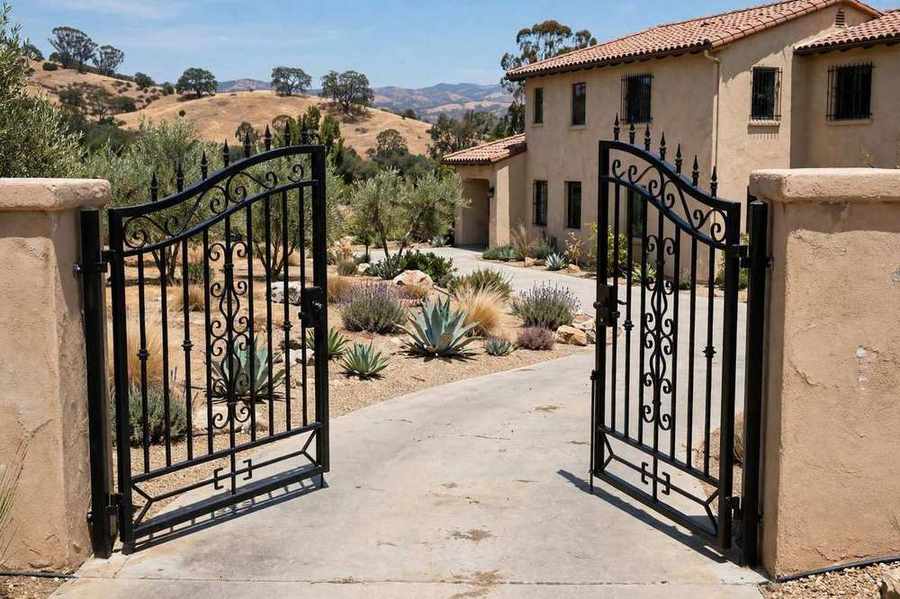 Iron Gate RepairIron gate repair in Concord, CA has to respect the weight: iron gates are heavy, so they need robust posts, hinges, and operators, and a hinge or post that would carry a light gate will fail under iron. The recurring worExplore →
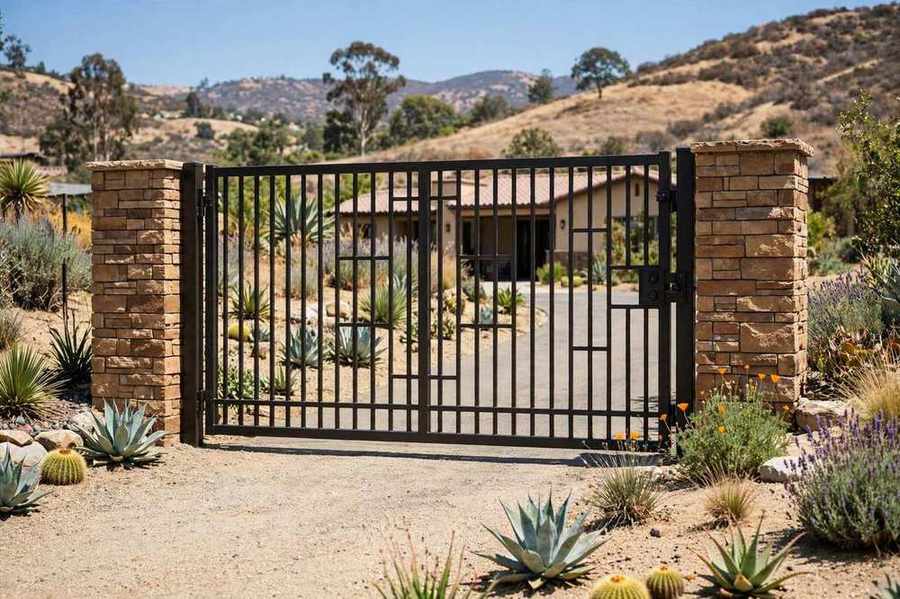 Steel Gate RepairSteel gate repair in Concord, CA covers a strong material, often lower in cost than iron, whose rust resistance — galvanized or powder-coated — lasts only while the coating is intact. Once coating fails at a scratch, a wExplore →Wooden Gate RepairWooden gate repair in Concord, CA is the most common residential gate work in the city, because so much of Concord's housing dates from the post-war decades and its gates are wood. Cedar and redwood resist rot and insectExplore →
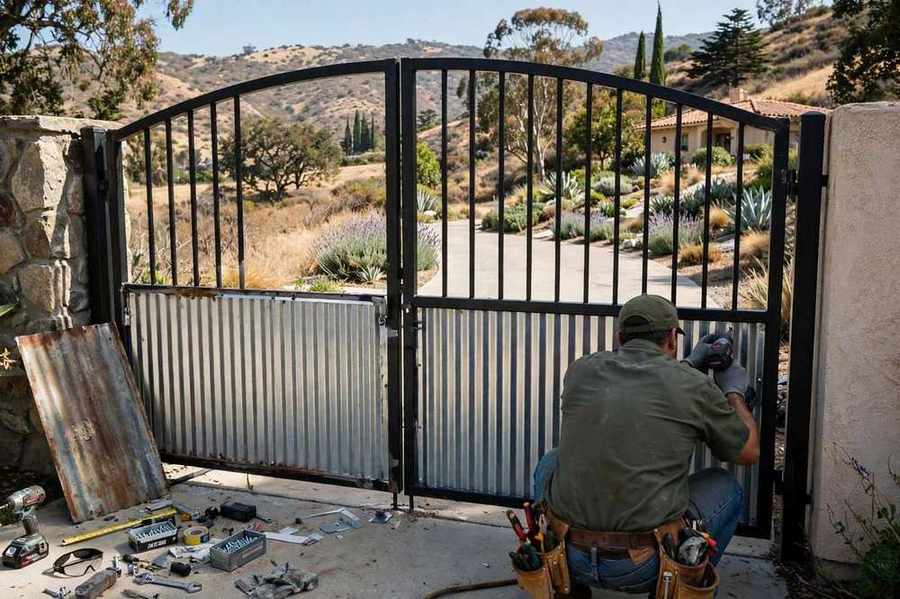 Gate Panel RepairGate panel repair in Concord, CA covers the leaf itself: damaged wood panels and pickets, bent metal sections, cracked vinyl panels, and frames that have racked out of square. Panel work is judged against replacement: a Explore →
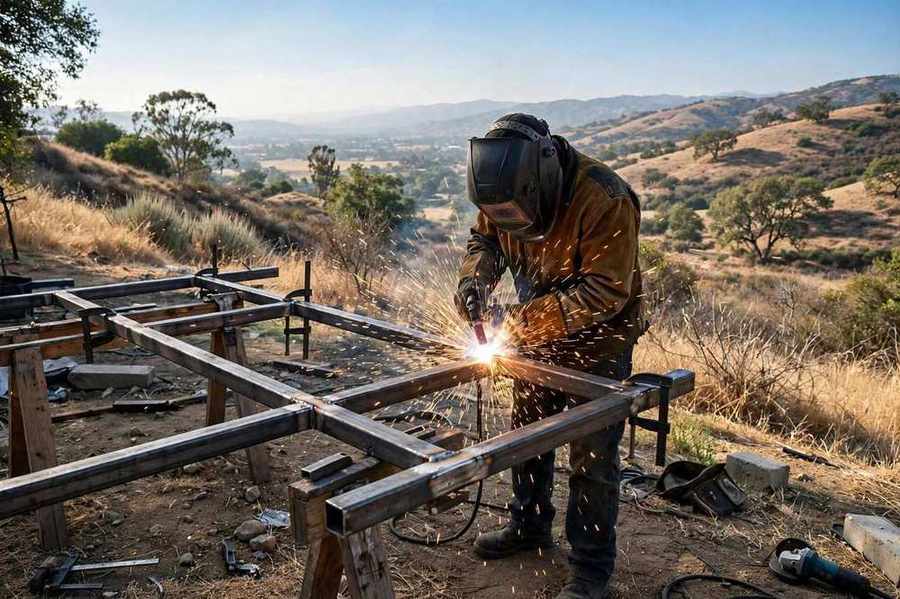 Gate Welding RepairGate welding repair in Concord, CA is on-site structural work: cracked welds, bent members, broken frames and posts, hinge-plate cracks, and rails rusted through at the weld. Welding is recommended only where the surrounExplore →
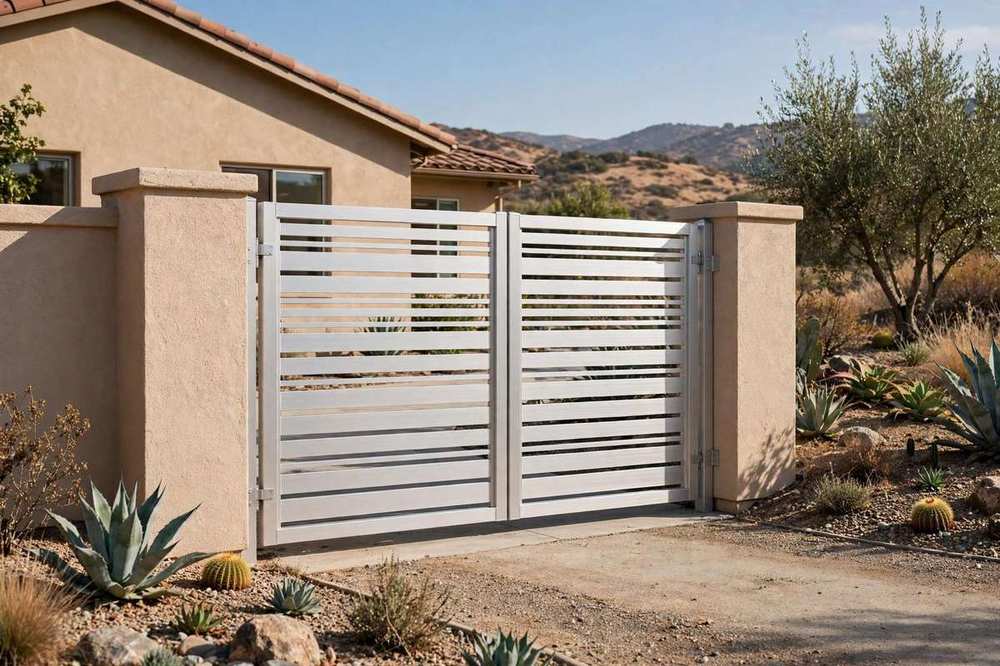 Aluminum Gate RepairAluminum gate repair in Concord, CA covers a lightweight, naturally rust-resistant material that puts less strain on operators and hinges than iron or steel, and can be powder-coated or made to mimic iron or wood. The trExplore →
Call Grand Gate Repair of Concord Company at 925-265-8944, Monday through Sunday, 8:00 AM to 8:00 PM, for gate painting and refinishing in Concord, CA. You will get an on-site inspection and a quote on inspection.
Call Now 925-265-8944 →Call us at 925-265-8944 during business hours to arrange a visit. Tell us the gate type and what it is doing, and we will come prepared to diagnose it. See our Concord service area and our contact page for full details.